Est. 1998 · Legal Aid Clinic · Arusha Region

A just society that respects women and children's rights.

AWLAHURIO is a non-profit, non-partisan organization run by volunteer paralegals, providing free legal aid and human rights education to women and children. Based in Arusha, the organization's reach extends to communities across Tanzania.

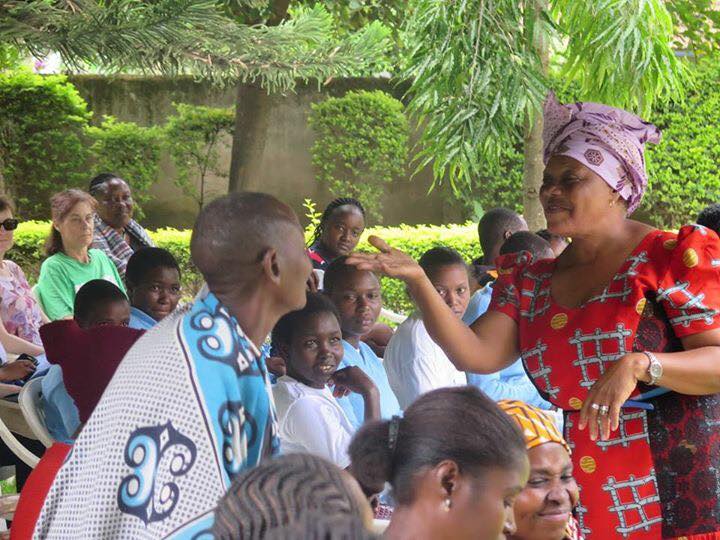
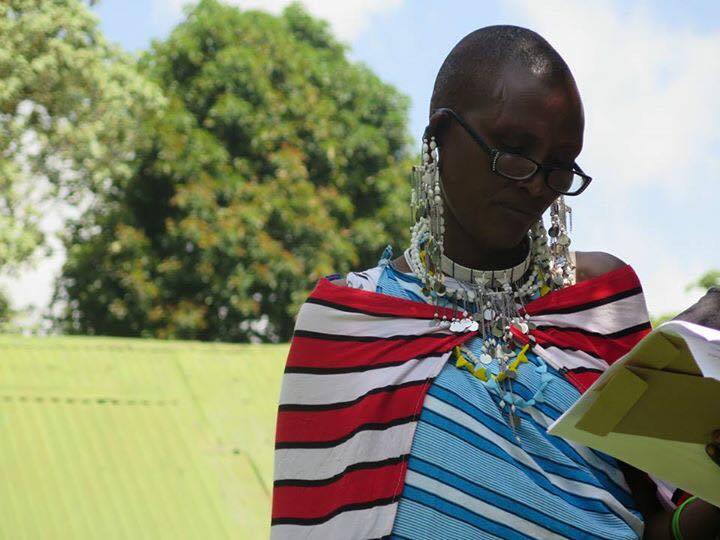
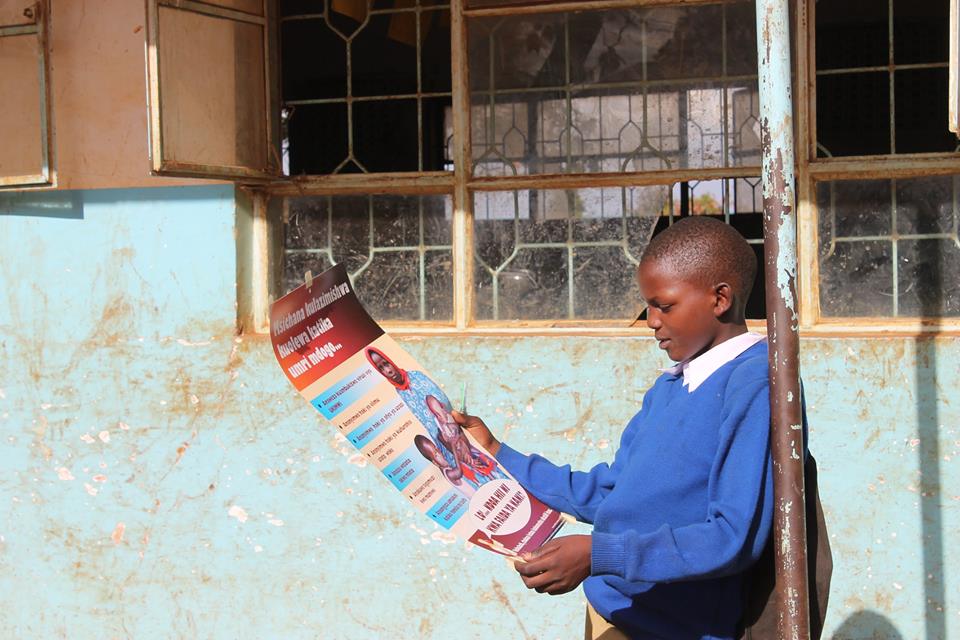
AWLAHURIO members and community
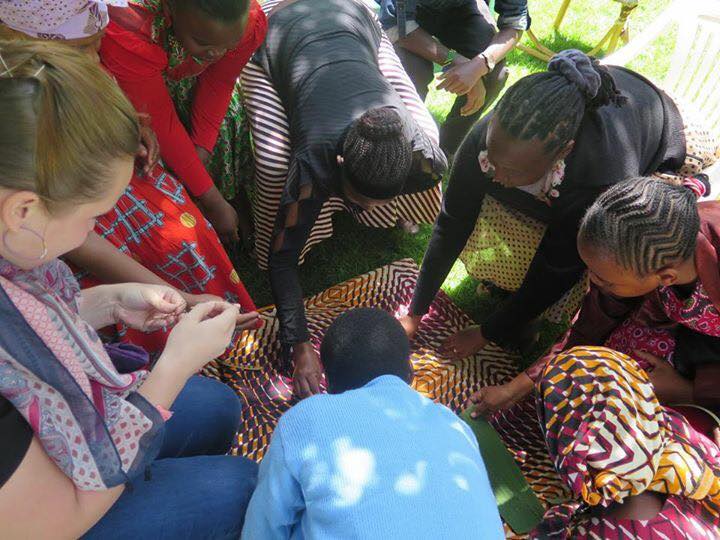
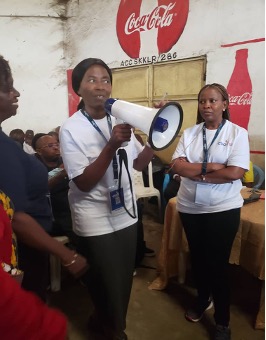
Field visit — Arusha region
1998Organization founded
2014Officially registered
5Rights focus areas
5Clinic days per week
100%Free of charge
Our history

Built by volunteer activists, sustained by community trust.

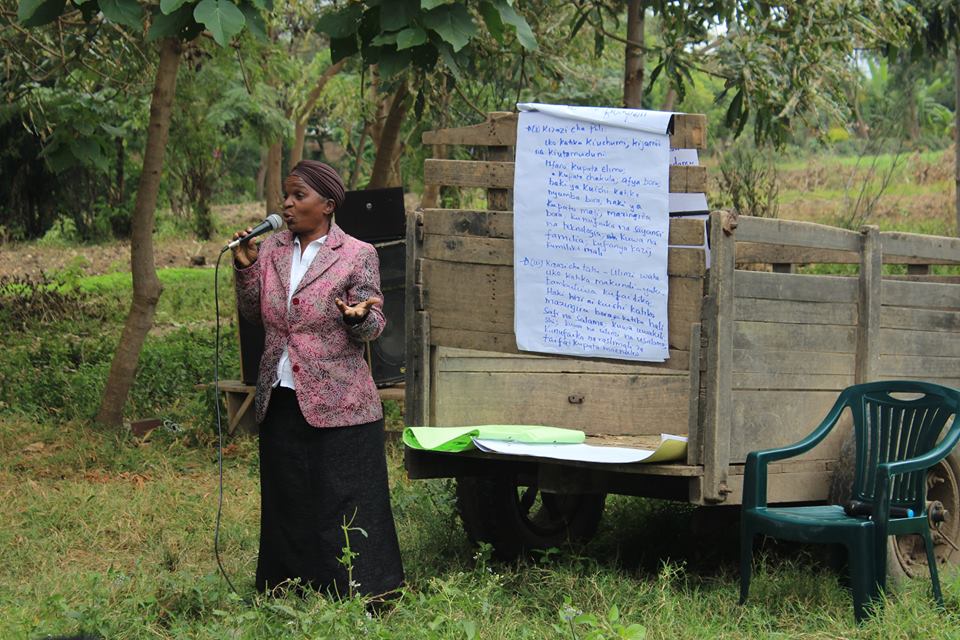
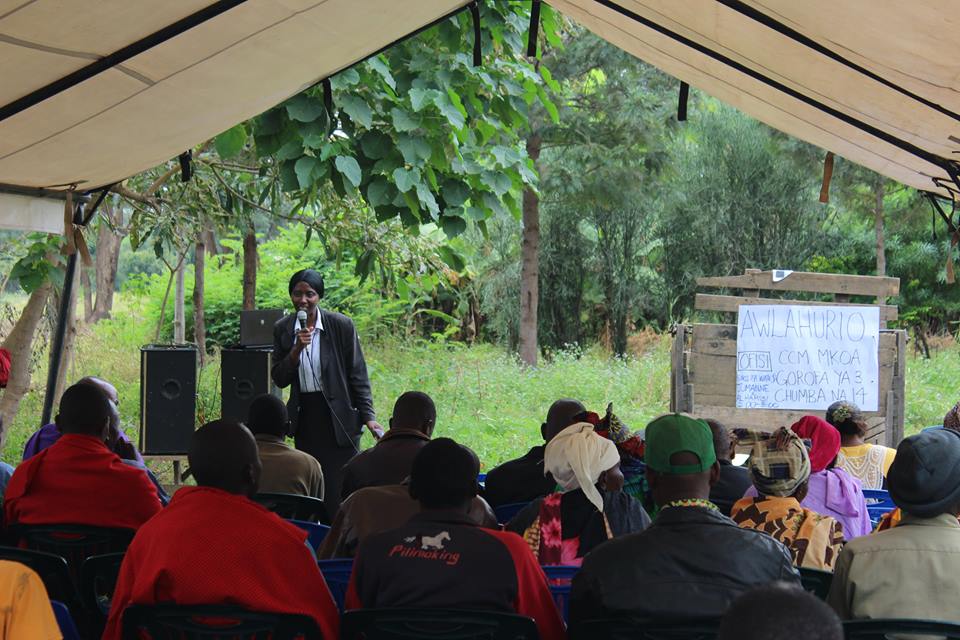
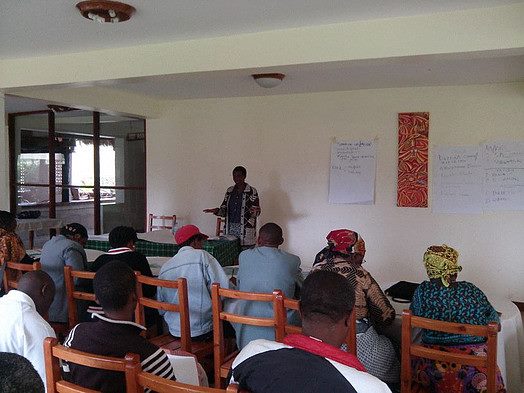
Community outreach Workshop with community members

The Arusha Women Legal Aid and Human Rights Organization (AWLAHURIO) is a private, voluntary, non-governmental, non-partisan and non-profit organization. It was established in 1998 by female human rights activists, who were passionate about improving the rights and position of women and children in Tanzanian society, and was officially registered — receiving its certificate of registration — in 2014.

The organization received technical support from the Women's Legal Aid Centre (WLAC) and was formally re-registered in 2014 under its current name. Today, all members and advisors continue to serve as volunteers across the Arusha region.

  1. 01Improve access to justice for women and children in the Arusha region
  2. 02Reduce land conflicts among communities of the Arusha region
  3. 03Reduce incidences of gender-based violence
  4. 04Strengthen governance of children's rights among communities
  5. 05Increase lobbying, advocacy and monitoring of human-rights practices
  6. 06Develop organizational capacity and sustain existing services
  7. 07Empower women socially and economically to advance their independence and equality
2025 Annual Report

690,520 people reached in one year.

From free legal aid clinics to nationwide voter education, here is what AWLAHURIO's volunteers delivered across the Arusha, Kilimanjaro and Manyara regions in 2025.

2,910 Individuals received free legal aid
2,408 women · 502 men
297,000 Reached through legal & rights education
via outreach and radio
390,610 Reached through voter education
incl. 273 persons with disabilities
3,500 Reached with GBV education by radio
Q1 2026, Radio Shalom
Areas we cover

Free legal aid, five case areas.

AWLAHURIO offers legal aid, education and advocacy across the issues women and children in Arusha most commonly face. Select a topic to read more.

Property rights
Land Act No. 4, 1999

Property Rights

The Land Act No. 4 of 1999 is the key statute governing land ownership in Tanzania. It applies equally to all citizens and is gender neutral — women hold the same rights as men to buy, own and inherit land or property.

Constitution, Article 13(i): "All people are equal before the law and are entitled without discrimination to protection and equality before the law."

Inheritance
Constitution, amended 2000

Inheritance

Under customary and Islamic law, widows have often been denied inheritance, with property passing to male relatives instead. In 2000, Tanzania amended its Constitution to explicitly prohibit gender discrimination. Where a valid will exists, it is binding; without one, courts decide how the estate is distributed.

African Charter Protocol on Women's Rights: "A widow shall have the right to an equitable share in the inheritance of the property of the husband."

Marriage
Law of Marriage Act, 1971

Marriage

Tanzania's Law of Marriage Act (1971) recognizes both monogamous and polygamous unions, depending on religion, custom or culture. The Act has long been criticized as discriminatory, since it permits marriage from as young as 15 with parental consent, or 14 with a court's permission — well below the internationally recognized minimum of 18. A landmark High Court ruling in 2016 — upheld by the Court of Appeal in 2019 — found these provisions unconstitutional and ordered government to raise the minimum age of marriage to 18. The Act itself, however, has not yet been formally amended.

AWLAHURIO advocates that the legal minimum age of marriage should be 18 years, full stop — with no distinction by gender. Marrying before this age cuts a child's education short, carries serious health risks from early pregnancy, and leaves them more vulnerable to violence and poverty.

Sections 13 & 17, Law of Marriage Act 1971: marriage is legally permitted from age 15 with parental consent, or age 14 with a court's approval.

Gender-based violence support
Confidential support available

Gender-Based Violence

Gender-based violence is a serious infringement of human rights. Cultural pressure and stigma often discourage women from reporting abuse, and Tanzanian law still has gaps — including the absence of a specific law against domestic violence. AWLAHURIO offers a free, safe space to seek help.

All meetings with AWLAHURIO on gender-based violence are strictly confidential.

Children's rights
Law of the Child Act, 2009

Children's Rights

Under Tanzanian law, a child is anyone under 18. Beyond basic human rights, children hold specific protections under the Law of the Child Act 2009 — including the right to a caring environment, food, shelter, education, and the right to play.

"The best interest of a child shall be the primary consideration in all actions concerning a child."

Gender equality — leadership, education and climate resilience
National Gender Policy, 2000

Gender Equality

Gender inequality in Tanzania runs through nearly every part of daily life — from who inherits land, to who leads in village councils and parliament, to who stays in school longer, to who walks further for water when there's a drought. Real change means addressing all of these together, not one at a time.

Climate change is not gender-neutral. As droughts lengthen across the Arusha region, it is overwhelmingly women and girls who walk further to fetch water and firewood — often at the cost of schooling or income — while also carrying the heaviest share of caring for children and the elderly through crop failures and food shortages.

Tanzania's Constitution guarantees equality (Article 13), yet women hold fewer than a third of local council seats, and girls remain more likely than boys to leave school early due to marriage, pregnancy or unpaid care work.

Legal Aid Clinic — walk in, no appointment needed

Open Monday to Friday, 9:00 AM – 4:30 PM. CCM Regional Building, Makongoro Road, 3rd Floor, Room 14, Arusha.

Plan your visit
Recent activities

Out in the community, every week.

Mama Samia Land Clinic legal aid, March 2026

Mama Samia Land Clinic & Legal Aid, Office of the Land Commissioner

AWLAHURIO ran a legal aid clinic alongside the Ministry of Lands' Mama Samia Land Clinic, supporting 83 beneficiaries as community members obtained Certificates of Rights of Occupancy.

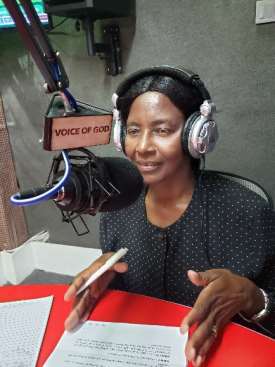
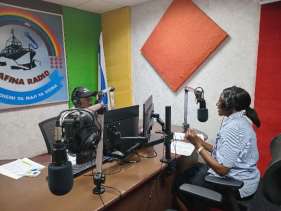
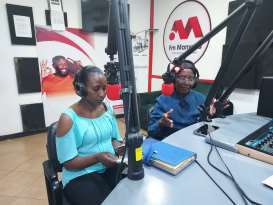
GBV education on Radio Shalom, Arusha

GBV education reaches 3,500 people via Radio Shalom

Regular radio programs on gender-based violence reached an estimated 1,800 men and 1,700 women across Arusha, strengthening confidential reporting pathways.

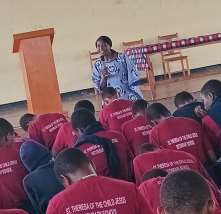
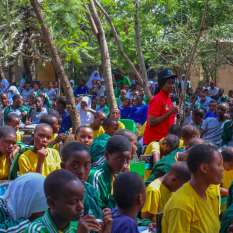
GBV and children's rights session at St Theresia Secondary School

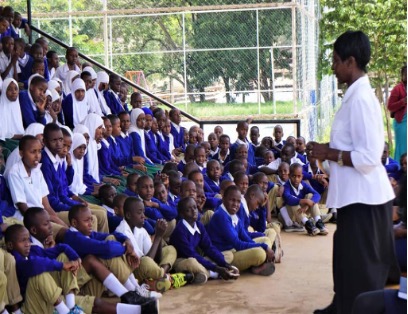
GBV & child rights education, St. Theresia Secondary School

Students from Form One to Form Six, plus members of the Catholic Women of Tanzania (WAWATA), took part in participatory GBV awareness sessions.

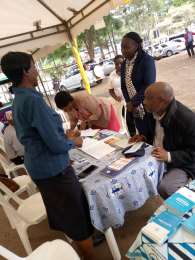
Legal Aid Week with the Tanzania Judiciary at TBA grounds

Legal Aid Week, organized by the Tanzania Judiciary

AWLAHURIO provided legal assistance at the TBA grounds in Arusha, briefing Arusha judges on cases handled through the clinic.

Legal aid during International Women's Day, Arusha

Legal Aid during International Women's Day

Organized by the Ministry of Constitution and Legal Affairs, with the Minister attending as guest of honor while AWLAHURIO delivered legal aid at the TBA grounds.

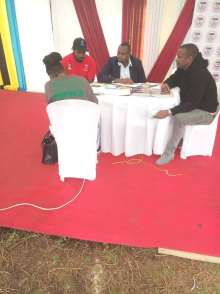
Mama Samia Legal Aid Campaign with THRDC Northern Zone, Ngarenaro

Mama Samia Legal Aid Campaign, Ngarenaro grounds

AWLAHURIO partnered with THRDC Northern Zone to deliver legal aid and rights education in Arusha and Monduli District.

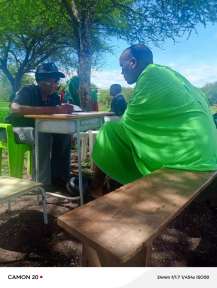
Legal aid outreach in Monduli District wards

Legal aid outreach across Monduli District

Communities in Monduli, Moita Bwawani, Mto wa Mbu and Esilalei wards received one-on-one legal assistance and education on wills.

GBV and children's rights education for secondary students, Monduli District

GBV & children's rights education in secondary schools

Students at Ilkisongo and Rift Valley Secondary Schools in Monduli District took part in sessions on gender-based violence and children's rights.

Voter education broadcast during the 2025 General Election

Voter education for the 2025 General Election

Across radio stations, schools, markets and bus terminals in Arusha, Kilimanjaro and Manyara, AWLAHURIO reached 390,610 people with voter education.

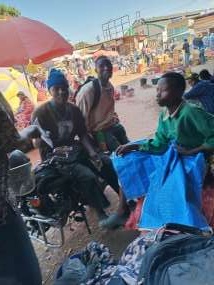
Voter education for market traders, Arusha

Voter education for market traders & motorcycle riders

Traders at Kilombero, Samunge and Monduli markets, plus motorcycle taxi riders across four regions, received voter education and leaflets.

Land handover meeting for widow Naseryan Ngobiro, Marurani village, Arusha
Success story — Annual Report 2025

A farm returned to a 105-year-old widow

Naseryan Ngobiro, 105, arrived by wheelchair at an International Women's Day legal aid session to report that her late sister-in-law's sons had refused to return farmland she had lent them to work. With AWLAHURIO's follow-up — including a clan meeting, a court case that cleared her of any wrongdoing, and a negotiated handover witnessed by 17 people including the Village Executive Officer — the family formally acknowledged her ownership and returned the land in March 2025.

Contact

We're here Monday to Friday.

Postal address

P.O. Box 7002, Arusha, Tanzania

Office

CCM Regional Building, Makongoro Road, 3rd Floor, Room No. 14, Arusha, Tanzania

View on map →

Clinic hours

Monday to Friday, 9:00 AM – 4:30 PM. No appointment required — open to anyone seeking help.